
Bleeding Gums When You Brush: What It Means
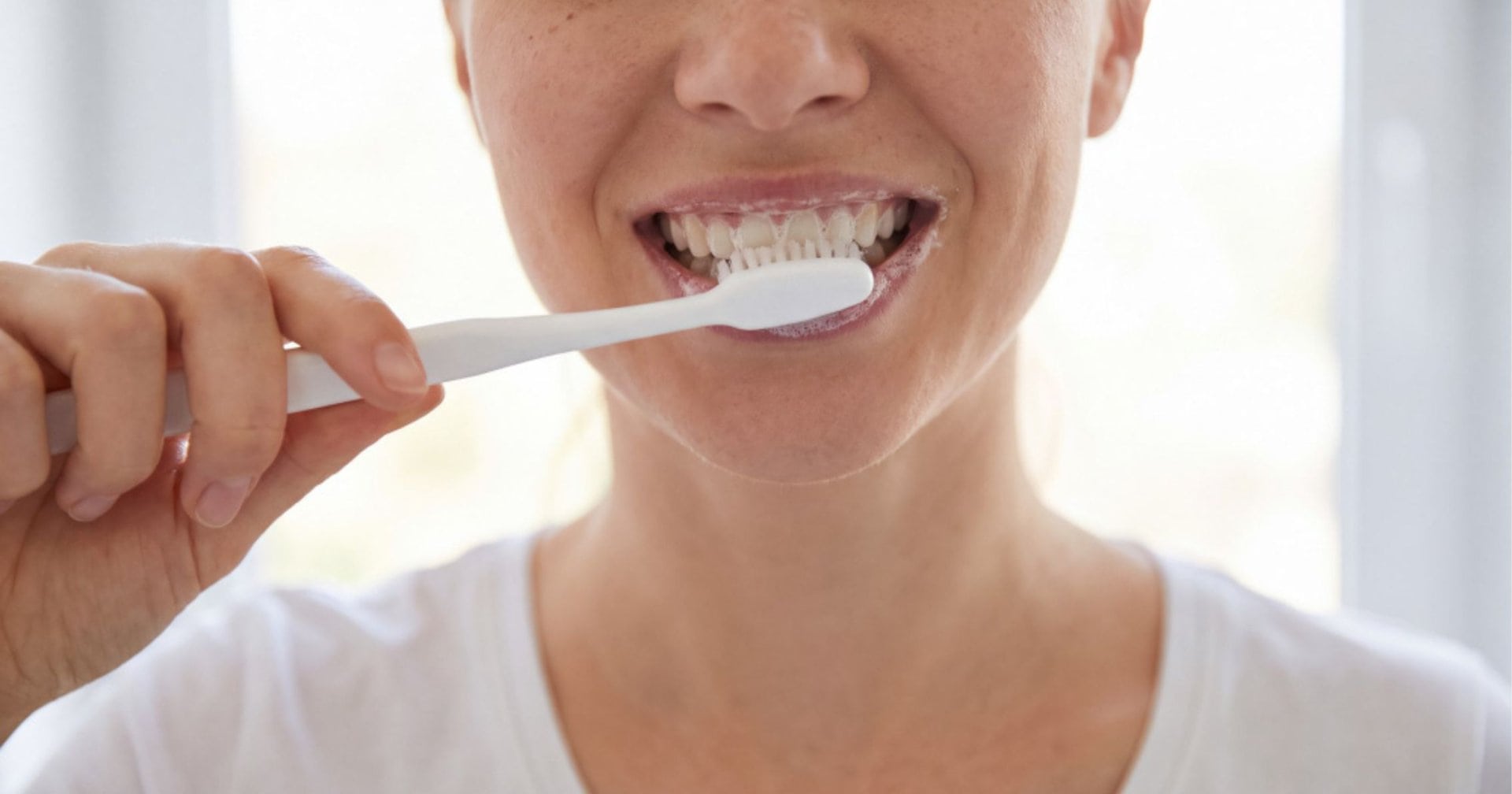
Bleeding gums when you brush are common enough to be easy to dismiss, but they’re usually a sign that something is worth paying attention to rather than ignoring. This guide covers the most likely causes, how to tell ordinary bleeding from something that needs a closer look, and what treatment generally involves.
Why Do My Gums Bleed?
The most common reason gums bleed during brushing or flossing is inflammation caused by plaque, the sticky bacterial film that builds up along the gumline. When plaque is left around the teeth, it can irritate the gums and make them more likely to bleed during brushing.
Several other factors can also play a role, covered below, but plaque-related inflammation is by far the most frequent cause.
Gingivitis: The Most Common Cause
Gingivitis is the medical term for this early stage of gum inflammation, and it’s considered the most common cause of bleeding gums. It develops when plaque accumulates along the gumline and isn’t adequately removed by brushing and flossing alone, particularly in areas that are harder to reach.
Gingivitis is generally considered reversible with improved oral hygiene and a professional clean, which is different from more advanced gum disease, where some damage may not fully reverse.
Bleeding Gums When Flossing
It’s common to notice bleeding gums when flossing, particularly if flossing hasn’t been a regular habit recently.
When flossing resumes after a gap, gums that have become mildly inflamed from a build-up of plaque between the teeth can bleed more easily at first. This tends to improve within a week or two of consistent, gentle flossing, as the gum tissue settles.
If bleeding continues beyond that, or seems to be getting worse rather than better, it’s worth having it checked rather than assuming it will resolve on its own.
Other Possible Causes
Beyond plaque-related gingivitis, a few other factors can contribute to or worsen bleeding gums:
- Brushing technique, particularly using a hard-bristled brush or brushing with too much pressure, which can irritate gum tissue directly.
- An ill-fitting denture or dental appliance, which can rub against the gums.
- Hormonal changes, including during pregnancy, which can make gums more sensitive to plaque and more prone to bleeding, sometimes called pregnancy gingivitis.
- Certain medicines, including blood thinners, can make bleeding more noticeable even with only mild gum inflammation present.
- Bleeding gums from a vitamin deficiency, such as low vitamin C, is a less common cause in Australia but is recognised. If gum bleeding persists despite improved oral hygiene or occurs alongside other symptoms, discuss it with your dentist or GP rather than attempting to treat the cause yourself with supplements.
Gum Disease Early Signs
Bleeding gums may be an early indication of gum disease and may occur alongside:
- Redness or a deeper colour along the gumline.
- Mild swelling or puffiness of the gums.
- Tenderness when brushing or eating.
- Persistent bad breath.
These early signs are generally associated with gingivitis, which is considered reversible. More advanced gum disease, periodontitis, can involve gum recession, loose teeth, and changes to how teeth fit together, which reflects a different level of damage and doesn’t reverse in the same way.
This is part of why addressing bleeding gums early, rather than waiting, tends to make a meaningful difference to the outcome.

When to Watch and When to See a Dentist
A short period of bleeding when resuming flossing after a break, that improves over a week or two with consistent gentle care, is a reasonable thing to monitor at home.
Bleeding gums that persist beyond that, happen spontaneously without brushing or flossing, or are accompanied by swelling, pain, loose teeth, or persistent bad breath, are worth having assessed rather than managed at home. Because gum disease can progress with fairly subtle symptoms in its early stages, a professional assessment is the reliable way to know what’s actually happening.
Gingivitis Treatment
Gingivitis is commonly managed with a professional cleaning to remove plaque and tartar that may remain in areas that are difficult to clean effectively at home, including around and beneath the gumline. This is usually paired with guidance on brushing and flossing technique, since ongoing plaque control at home is what keeps gum inflammation from returning.
For most patients, gingivitis responds well to this combination of professional dental cleaning and consistent home care, though how quickly gums settle down varies between patients. A follow-up review is often recommended to check that the gums have responded as expected.
What Happens If Bleeding Gums Are Ignored
If gingivitis is left unaddressed, it can develop into periodontitis, a stage where the disease has moved beyond the gum surface into the bone and connective tissue anchoring each tooth. This can lead to gum recession, loosening of teeth, and in more advanced cases, tooth loss.
Unlike gingivitis, damage from periodontitis doesn’t fully reverse, even with treatment, which is part of why catching bleeding gums early and having them assessed makes a meaningful difference to the long-term outcome.
FAQ
Is it normal for gums to bleed slightly when I brush?
Occasional light bleeding, particularly if you’ve recently started flossing again or changed your brushing routine, isn’t unusual and often settles within a week or two. Bleeding that persists or worsens is worth having checked.
Can vitamin deficiency cause bleeding gums?
It’s a recognised but less common cause in Australia. If bleeding gums don’t improve with better oral hygiene, or are accompanied by other symptoms, it’s worth discussing with your dentist or GP rather than assuming a deficiency or trying to self-treat.
Is it true that pregnancy makes gums bleed more easily?
Yes, for many people. Shifting hormone levels can heighten how the gums react to the same amount of plaque, a pattern often referred to as pregnancy gingivitis. Keeping up regular brushing, flossing, and check-ups matters just as much, if not more, during this time.
Does bleeding when flossing mean I’m doing it wrong?
Not necessarily. Bleeding is often related to gum inflammation from plaque rather than technique alone, and can occur even with correct flossing, especially after a gap in the habit. If it persists, it’s worth having your technique and gum health checked together.
Can gingivitis be reversed?
Generally, yes. Gingivitis is considered an early, reversible stage of gum disease that typically responds well to a professional cleaning and consistent oral hygiene at home. More advanced periodontitis doesn’t reverse in the same way, which is part of why early treatment matters.
How long should I wait before seeing a dentist about bleeding gums?
If bleeding hasn’t settled within a week or two of consistent gentle brushing and flossing, or if it’s happening spontaneously or alongside other symptoms, it’s reasonable to book a check-up rather than waiting longer.
Book a Gum Check in Wodonga
If your gums are bleeding regularly, it’s worth having them assessed rather than working around it.
At Prime Care Dental Wodonga, we see patients from Wodonga, Albury, Baranduda, Leneva, Bandiana, and the surrounding suburbs.
Call us on (02) 6024 1516 or book online. You’ll find us at 340 Beechworth Rd, Wodonga.
Any surgical or invasive procedure carries risks. Before proceeding, consider seeking a second opinion from an appropriately qualified health practitioner.