Jaw Pain and TMJ: Causes, Symptoms and Treatment Options
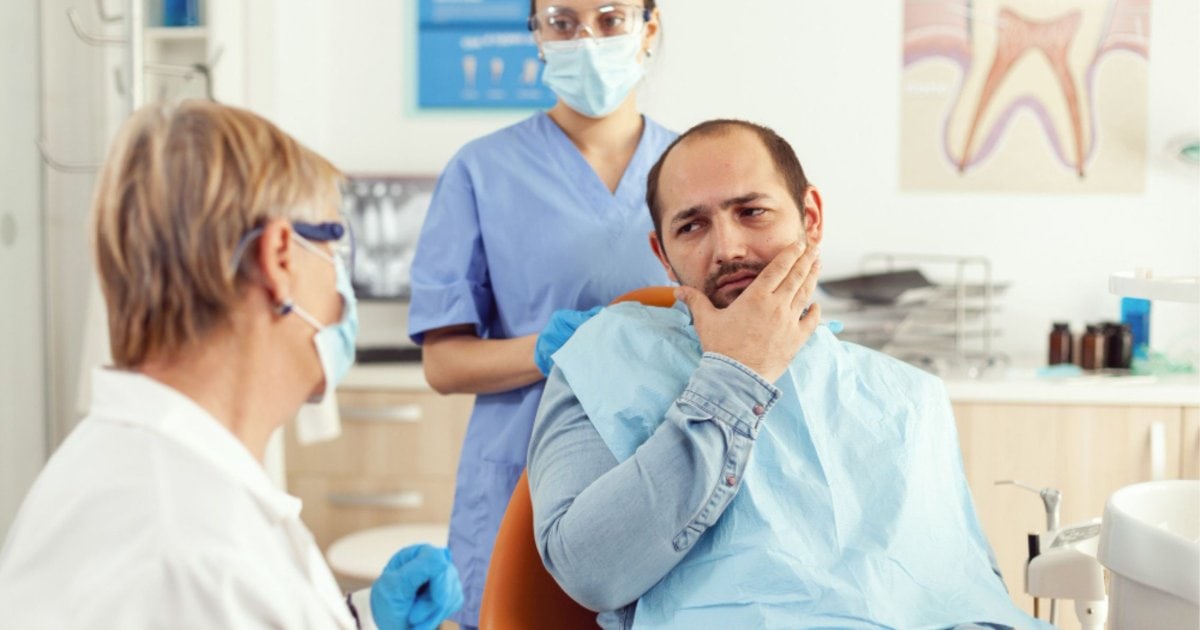
Jaw pain can come from a few different places — the muscles used for chewing, the joint itself, or a tooth causing pain that’s felt in the jaw. Because the cause determines the treatment, telling these apart matters more than the pain itself.
What Jaw Pain Can Mean
Muscle strain. Pain from the muscles used for chewing and clenching, which can feel tender to the touch, worse after grinding or clenching, and sometimes accompanied by headaches at the temples.
Joint dysfunction. Pain centred on the joint itself, in front of the ear, which can include clicking, popping, or a catching sensation when opening or closing the mouth. This is what’s specifically meant by a TMJ disorder — a problem with the temporomandibular joint itself, distinct from muscle-related pain even though the two can occur together.
Dental causes. Pain that’s actually coming from a tooth — an infection, an abscess, or pressure from an erupting wisdom tooth — can be felt as jaw pain even though the source is a specific tooth rather than the joint or muscles.
Telling these apart isn’t always clear from the symptoms alone, since they can overlap or occur together. This is why an assessment, not a guess based on where it hurts, is what actually identifies the cause.
Common Causes of Jaw Pain
Grinding and clenching place ongoing strain on the jaw muscles and joint, and are one of the more addressable causes since they can be managed with a splint. Our Grinding and TMJ Treatment page covers this specific cause and its treatment in more detail.
Arthritis affecting the jaw joint may cause symptoms such as pain, stiffness, and reduced movement.
Injury to the jaw, from a direct impact or trauma, can affect the joint or surrounding muscles and cause pain that persists beyond the initial injury.
Wisdom teeth pressure. An impacted or erupting wisdom tooth can cause pain that’s felt more broadly in the jaw, not just localised to the tooth itself, particularly if there’s associated swelling or the tooth is pushing against the tooth in front of it.
Dental infection. An infection at the root of a tooth or in the surrounding gum can cause pain that radiates into the jaw, sometimes making it difficult to identify which specific tooth is the source without an exam.
Which of these applies — or whether more than one is involved — is identified through an assessment rather than something to work out from the symptoms alone.
When Jaw Pain Is One-Sided
Pain on one side of the jaw, rather than both, changes what it points to. Muscle strain from grinding involves the same muscles on both sides of the mouth, so pain from that cause isn’t confined to one side. Pain that is confined to one side points elsewhere — to a specific tooth, a specific joint problem on that side, or an injury localised to that side.
This distinction is part of what an assessment uses to narrow down the cause — a one-sided pattern shifts the focus toward a dental or joint-specific cause rather than the more generalised muscle strain pattern associated with grinding.
How Your Dentist Diagnoses It
Clinical exam. Your dentist may examine the teeth for possible dental causes, check the jaw muscles for tenderness, and assess the joint for clicking, popping, or restricted movement.
Bite assessment. How the teeth meet when biting down is checked, since an uneven bite can contribute to jaw strain over time.
Imaging where indicated. Depending on what the exam finds, X-rays or other imaging may be used to look more closely at the joint or identify a dental cause not visible on exam alone.
The combination of these determines the cause and, from there, the appropriate treatment — this isn’t something imaging or a bite check alone identifies without the full picture from the exam.
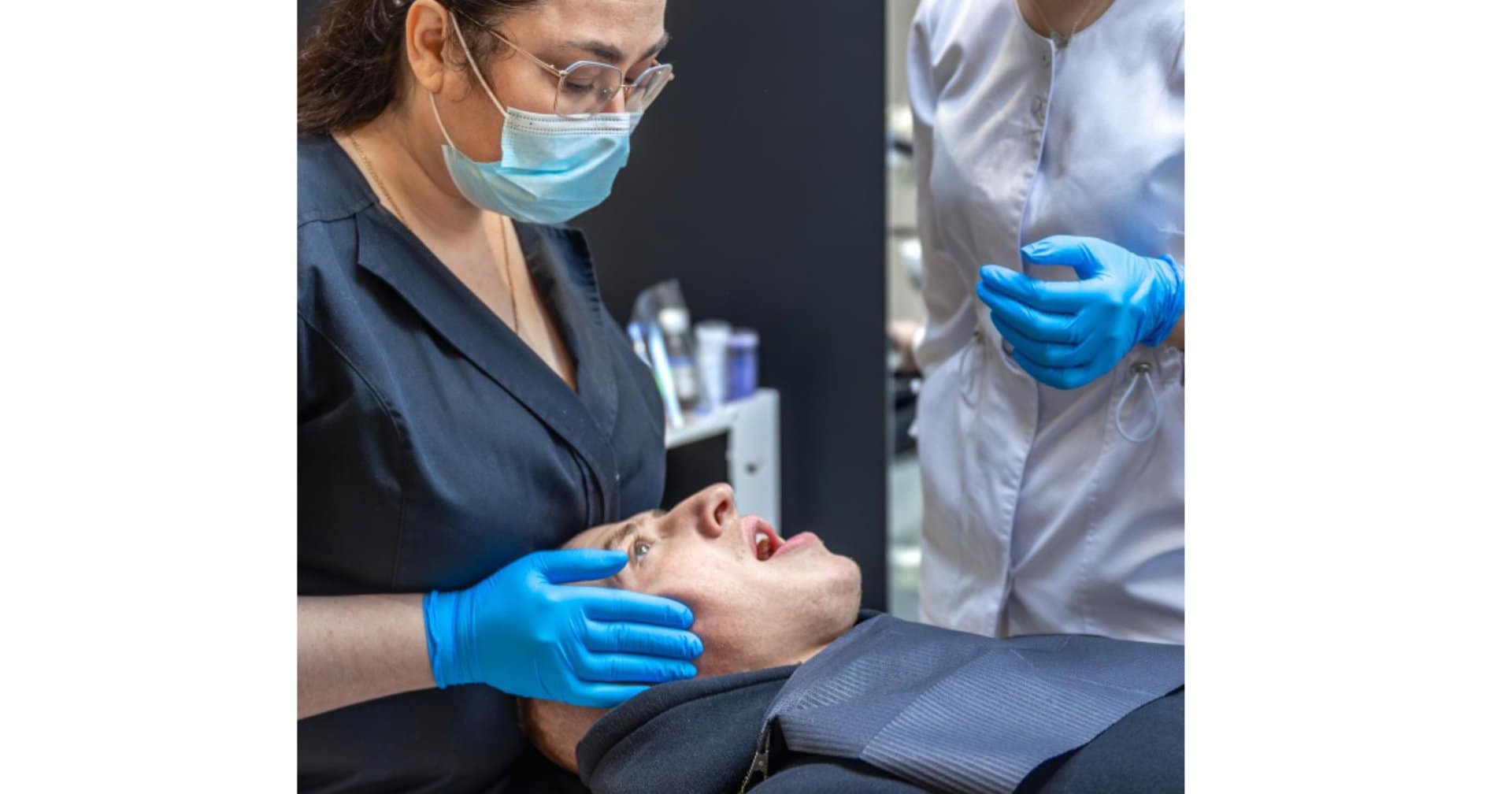
Treatment Options
Conservative measures first. For muscle-related jaw pain, initial measures can include rest, avoiding hard or chewy foods that strain the jaw, and warm compresses to ease muscle tension. These are considered before more involved treatment, particularly for pain that’s recent or linked to an identifiable trigger like a period of stress or increased grinding.
Splint therapy. For grinding or clenching-related pain, a custom splint worn at night can reduce the force placed on the teeth and jaw, easing strain on the muscles and joint over time. Our Grinding and TMJ Treatment page covers this in more detail.
Bite adjustment. Where an uneven bite is contributing to jaw strain, adjusting specific contact points can reduce the strain placed on the jaw during normal biting and chewing.
Referral where needed. For jaw pain that doesn’t respond to dental treatment, or where a broader joint or muscular condition is suspected, referral to a specialist such as an oral and maxillofacial surgeon or a physiotherapist experienced in jaw conditions may be appropriate.
Which of these applies depends on the cause identified at assessment — results vary between patients, and what helps one person’s jaw pain isn’t necessarily the right approach for another’s, depending on what’s actually driving it.
Frequently Asked Questions
What does it mean if my jaw pain is only on one side?
One-sided jaw pain points away from muscle strain, which involves the muscles on both sides of the mouth together, and toward a more localised cause — a specific tooth, an injury, or a joint problem on that side. An assessment is what narrows this down for your specific case.
Is jaw clicking always a sign of a problem?
Clicking or popping in the jaw joint can occur without pain or restricted movement, and on its own isn’t necessarily a sign that treatment is needed. If it’s accompanied by pain, catching, or reduced range of motion, that’s worth having assessed.
Can wisdom teeth cause jaw pain without tooth pain?
Yes — pressure from an impacted or erupting wisdom tooth can be felt more broadly in the jaw rather than localised to the tooth itself, which can make it harder to identify as a dental cause without an exam.
How is TMJ pain treated?
The cause determines the treatment and can range from conservative measures like rest and avoiding hard foods, to a custom splint for grinding-related cases, to bite adjustment or referral for more complex cases. What’s appropriate is determined at assessment rather than a single standard treatment.
When should I see a dentist about jaw pain?
If jaw pain persists, is limited to one side, comes with clicking or restricted movement, or you suspect a specific tooth is involved, it’s worth having it assessed rather than waiting to see if it resolves.
Jaw Pain and TMJ Assessment in Wodonga
If jaw pain isn’t settling, or you’re not sure what’s causing it, an assessment is the way to find out.
At Prime Care Dental Wodonga, we see patients from Wodonga, Albury, Baranduda, Leneva, Bandiana, and the surrounding suburbs.
Call us on (02) 6024 1516 or book online. You’ll find us at 340 Beechworth Rd, Wodonga.
Any surgical or invasive procedure carries risks. Before proceeding, consider seeking a second opinion from an appropriately qualified health practitioner.