
Interdental Brushes: How to Clean Between Your Teeth Properly
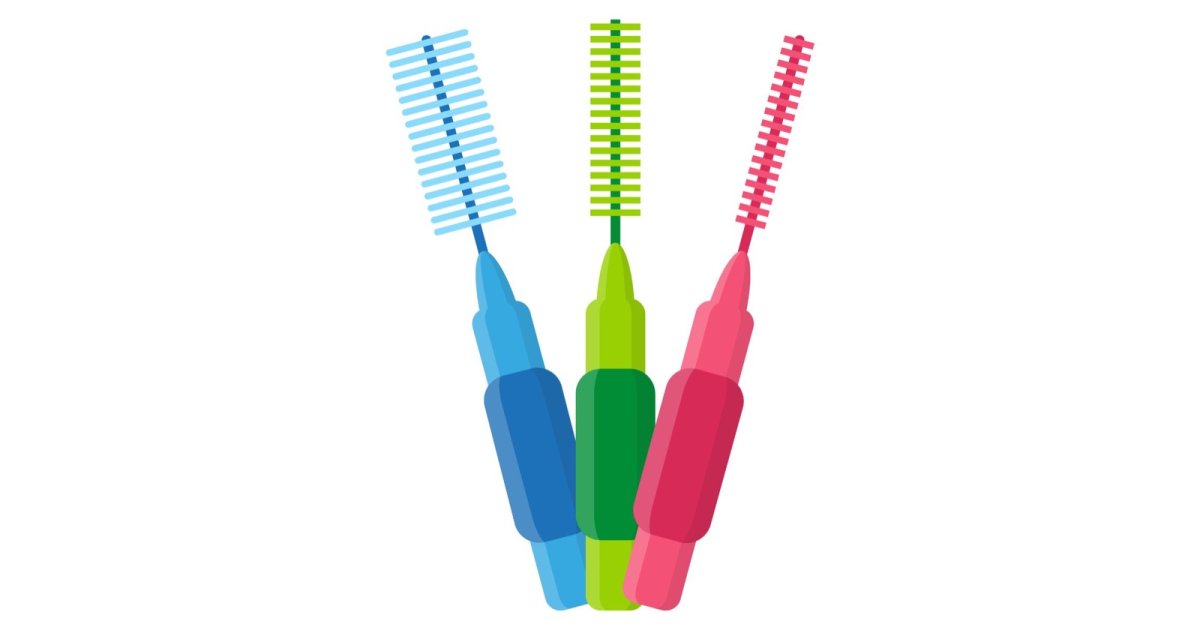
A toothbrush cleans the outside, inside and chewing surfaces of your teeth, but it can’t reach the gaps between them. That is where interdental brushes come in. These small brushes are designed to clean between your teeth, and many patients find them easier to use than floss.
The Australian Dental Association recommends brushing twice a day with fluoride toothpaste and cleaning between your teeth every day (Australian Dental Association, Teeth.org.au, “Australians’ 11 oral health messages”). This guide explains what interdental brushes are, how they compare with floss, how to choose the right size, how to use them and when to ask for help.
This article is general information only. Your dentist or hygienist can show you what suits your mouth.
What are Interdental Brushes?
An interdental brush is a tiny brush on a handle, with fine bristles around a thin wire. You slide it gently into the gap between two teeth and move it to clean the surfaces on either side.
They come in a range of sizes because the gaps between teeth are not all the same.
Why Cleaning Between Your Teeth Matters
Plaque, the sticky film of bacteria that forms on teeth every day, collects in the spaces between them. A toothbrush can’t reach it, and left alone, it can contribute to cavities between the teeth and to gum inflammation.
Cleaning between your teeth removes plaque from those spaces. It is one part of a routine that also includes brushing and regular check-ups, and it cannot guarantee you won’t get cavities or gum disease.
Interdental Brushes vs Floss: Which Should You Use?
Neither is right for everyone. The best choice depends on your teeth.
- Interdental brushes tend to suit patients with larger gaps between their teeth, receding gums, bridges, implants or orthodontic appliances. Many patients find them easier to hold and use.
- Floss suits very tight spaces, where a brush will not fit without forcing. It is also a good choice for teeth that touch closely.
- Many patients use both, with brushes for wider gaps and floss for tight ones.
If you can’t tell which suits you, ask your dentist or hygienist to look at the spaces between your teeth.
Interdental Brush Sizes: How to Choose the Right One
The size is the most important choice. Sizes are usually shown by a number or a colour, and the system differs between makers, so check the packaging rather than relying on a colour.
- Too small, and the brush doesn’t touch both sides of the gap, so it cleans less.
- Too large, and it can be forced in, which can irritate or hurt the gums.
- The right size slides in with light resistance and fits snugly without being forced.
Most patients need more than one size, because the gaps in the front are often narrower than those at the back. Start with a small size, and move up if it feels loose. Your dentist or hygienist can measure your gaps and suggest sizes. If a gap is too tight for the smallest brush, use floss there.
How to Use an Interdental Brush, Step by Step
- Choose the right size for the gap you are cleaning.
- Slide it in gently, at a slight angle towards the gumline, without forcing it.
- Move it back and forth a few times, cleaning the sides of both teeth.
- Remove it, rinse the brush, and move to the next gap.
- Repeat for each gap, using different sizes where needed.
- Rinse your mouth when you finish.
You can use interdental brushes before or after brushing. Use them at a time that suits you, because the best routine is one you will keep up. Ask your dentist or hygienist to show you how, as technique makes a difference.
Common Mistakes to Avoid
- Forcing a brush that is too big. This can damage the gums.
- Using one size for every gap.
- Sawing back and forth hard, which can irritate the gums.
- Skipping spaces, especially at the back.
- Using a worn brush, where the bristles are bent or flattened, or the wire is bent.
Looking After Your Interdental Brushes
- Rinse the brush after each use and let it air dry.
- Keep it clean, and don’t share it.
- Replace it when the bristles are worn or bent, or the wire is damaged.
- Don’t reuse a brush that has been bent out of shape.
Who May Find Interdental Brushes Especially Useful
Your dentist may suggest them if you have:
- Gaps between your teeth, including where the gums have receded.
- Bridges, implants, or braces and other orthodontic appliances, where floss is awkward to use.
- Gum disease, as part of the cleaning routine that goes with your treatment.
- Difficulty using floss, for example because of limited movement in your hands.
If you have trouble cleaning between your teeth, the Australian Dental Association advises asking for help. Your hygienist can talk through options that suit you.
Bleeding and Soreness When You Start
Your gums may bleed a little at first, particularly if they are inflamed because plaque has been left there. This often settles as the area becomes cleaner. Be gentle, and don’t stop cleaning because of it.
If bleeding continues for more than a couple of weeks, if your gums are sore or swollen, or if there is pain, have your gums checked. Our article on what bleeding gums when you brush can mean explains the common causes.
Interdental Brushes FAQs
Can I use interdental brushes instead of floss?
For many patients, yes. Brushes suit larger gaps well, and floss suits tight ones. You may need both. Your dentist or hygienist can advise.
How often should I use them?
The Australian Dental Association recommends cleaning between your teeth every day. Your dentist can tailor this to your needs.
Should an interdental brush hurt?
It shouldn’t. A brush that is too large, or used too hard, can hurt. If it hurts, try a smaller size and use less pressure, and have it checked if the pain continues.
Can I use them around implants, bridges or braces?
Often, yes. They are commonly suggested for cleaning around these. Ask your dentist which type and size suits yours, because the wrong one can cause irritation.
Book a Check-up and Clean in Wodonga
Not sure which size you need, or noticed bleeding when you clean between your teeth? The next step is an examination.
At Prime Care Dental Wodonga, your dentist or hygienist can look at the gaps between your teeth, show you which size fits and how to use it, and check your gums. A professional scale and clean also removes build-up that brushes can’t.
Call us on (02) 6024 1516 or request an appointment online to arrange a check-up and clean.
We are at 340 Beechworth Road, Wodonga VIC 3690, and we welcome patients from Wodonga, Albury and surrounding areas.
Source: Australian Dental Association, Teeth.org.au, “Australians’ 11 oral health messages”.
This article is general information and does not replace advice from a registered dental practitioner. Results vary between patients. Ask your dentist whether a product or treatment is appropriate for you.