
Tooth Extraction: What to Expect Before, During and After
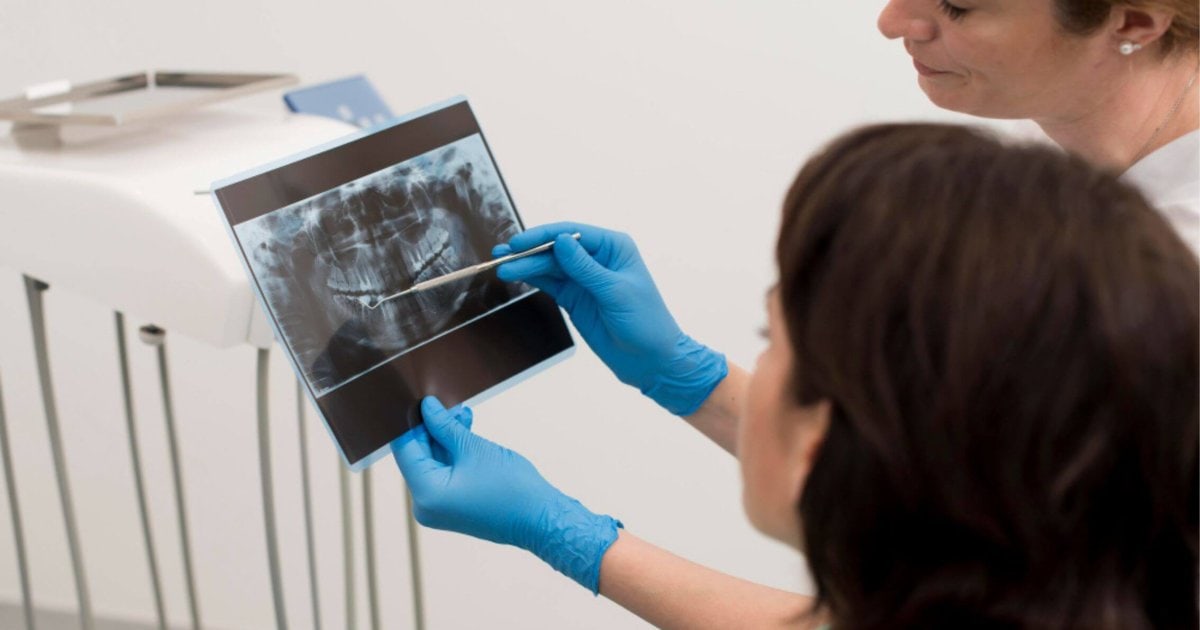
Having a tooth out is one of those procedures people tend to dread more than necessary. In most cases, it’s straightforward, recovery is faster than expected, and knowing what to expect at each stage makes the whole process easier to manage.
Here’s what leads to an extraction, what happens on the day, and how to recover without complications.
When Does a Tooth Need to Be Extracted?
Extraction is always a last resort — the goal is to save teeth wherever possible. But there are situations where removal is the most appropriate option:
Severe decay
Sometimes a tooth is too damaged by decay to be saved with a filling or crown. In these cases, removing the tooth gets rid of the infection and helps stop it from affecting the surrounding teeth and bone.
Irreparable fracture
A tooth that has cracked below the gumline or split through the root can’t be reliably restored. Tooth extraction is usually the only viable option.
Advanced gum disease
Periodontitis that has caused significant bone loss can leave teeth loose and without adequate support. Where bone loss is too extensive to treat, extraction and replacement may be the better long-term outcome.
Failed root canal
A tooth with persistent infection after root canal treatment may require extraction if retreatment is unsuccessful.
Crowding and orthodontic treatment
Some patients require one or more teeth removed to create space before orthodontic treatment can achieve the intended result.
Wisdom teeth
Wisdom teeth are extracted when they’re impacted, partially erupted, causing pain or infection, damaging adjacent teeth, or simply unable to be cleaned effectively. This is one of the most common reasons for extraction across all age groups.
Simple vs Surgical Extraction
Not all extractions are the same. The approach depends on the tooth’s position and condition.
Simple extraction
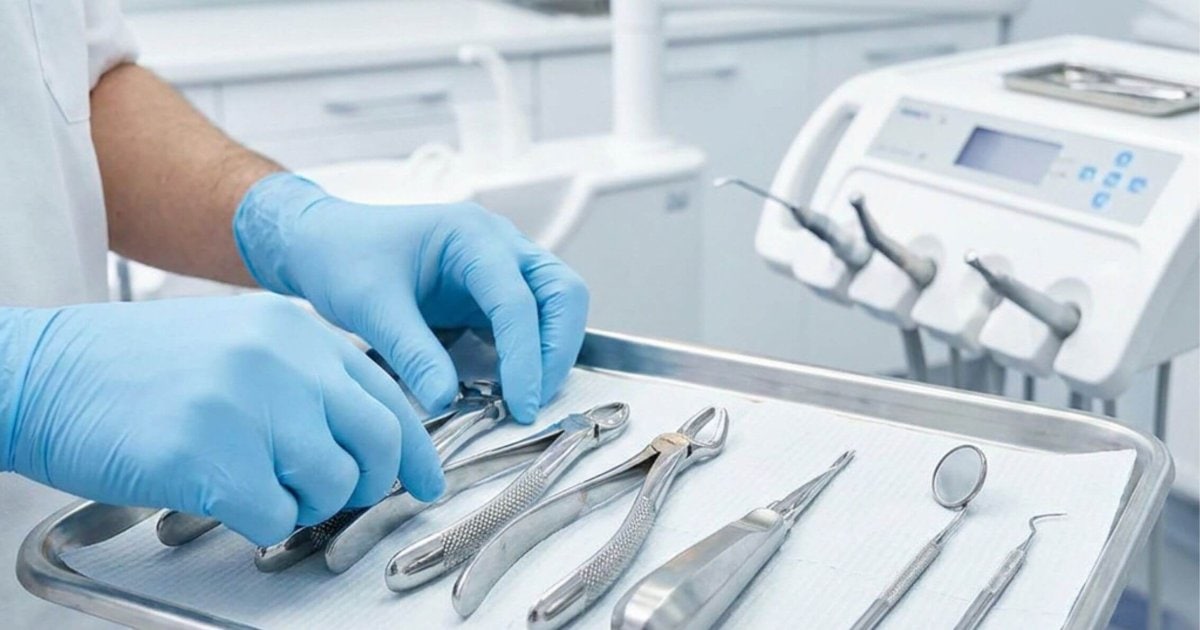
Used for teeth that have fully erupted and are visible above the gumline. The dentist numbs the area with a local anaesthetic, gently loosens the tooth with an elevator, and then removes it using forceps. Most straightforward extractions fall into this category.
Surgical extraction
Required when a tooth is impacted, has broken off at the gumline, or has curved or fused roots that make simple removal impractical. A small incision is made in the gum to access the tooth, and it may be sectioned into pieces for easier removal. Wisdom teeth frequently require a surgical approach.
Your dentist will assess the tooth and explain which approach is appropriate before the appointment.
What Happens on the Day
The procedure begins with local anaesthetic injected into the tissue around the tooth. Most patients are surprised by how effective this is — pressure and movement are felt throughout, but pain is not. The anaesthetic takes a few minutes to take full effect before the dentist proceeds.
For a simple extraction, your dentist gently rocks the tooth back and forth with a specialised instrument to loosen it, then carefully lifts it out. The process is often faster than patients expect — a straightforward extraction can take just a few minutes once the area is numb.
For a surgical extraction, the additional steps — incision, possible bone removal, sectioning the tooth — take longer, but the anaesthetic means discomfort during the procedure is minimal. If anxiety is a concern, discuss this with the practice before the appointment.
Once the tooth is out, gauze is placed over the socket, and you’ll be asked to bite down firmly to control bleeding. Post-operative instructions will be provided before you leave.
The First 48 Hours After Extraction
The first two days are the most important for recovery. The socket will form a clot and serve as the basis for healing, so it is crucial to protect that clot. This clot helps the area heal, so it’s important to avoid disturbing it.
Keep pressure on the gauze.
Keep steady pressure on the gauze by biting down firmly for 30 to 45 minutes after the procedure. This helps control bleeding and promotes the formation of a stable blood clot. If bleeding continues, replace with fresh gauze and maintain pressure. Some oozing for the first few hours is normal.
What to avoid
- Straws — the suction can dislodge the clot
- Smoking — impairs healing and significantly increases dry socket risk
- Rinsing or spitting hard for the first 24 hrs.
- Hot food and beverages until the anaesthesia has completely worn off
- Exercising vigorously during the first 24 to 48 hours can cause bleeding to resume and raise blood pressure.
Managing discomfort
Some pain and swelling after an extraction is expected. Over-the-counter pain relief — ibuprofen or paracetamol as directed — is usually sufficient. An ice pack applied to the cheek in 20-minute intervals during the first day helps reduce swelling.
Normal vs concerning signs
Some bleeding, swelling, and mild discomfort are normal. Contact your Wodonga dentist if you experience heavy bleeding that doesn’t settle with pressure, increasing rather than improving pain after the first two days, fever, or pus around the socket.
Recovery Days 3–7
By day three, most patients feel noticeably better. Swelling normally peaks about 48 hours and then gradually declines. Pain should be decreasing rather than increasing — if it’s getting worse, dry socket needs to be ruled out.
Dry socket
Dry socket develops when the blood clot is dislodged or dissolves prematurely, exposing the bone and nerves. It causes a distinct, deep aching pain — often radiating toward the ear — that typically develops two to four days after extraction.
It’s more common in smokers and in lower wisdom tooth extractions. If you suspect dry socket, contact the practice promptly — it’s easily treated but doesn’t resolve on its own.
Gentle rinsing
From 24 hours after the extraction, warm saltwater rinses after eating help keep the socket clean and reduce bacterial activity. Rinse slowly after dissolving half a teaspoon of salt in a glass of warm water; do not swish vigorously.
Eating
Stick to soft foods — yoghurt, scrambled eggs, soup, mashed vegetables — for the first several days. Avoid anything hard, crunchy, or small enough to lodge in the socket. Chew on the opposite side where possible. Full socket healing takes several weeks, but if a replacement tooth is being considered, your Wodonga dentist will advise on appropriate timing.
Frequently Asked Questions
How long does a tooth extraction take?
A simple extraction typically takes 20 to 40 minutes from start to finish, including the time for anaesthetic to take effect. A surgical extraction — such as an impacted wisdom tooth — can take longer depending on the tooth’s position and complexity. Your Wodonga dentist will give you a more specific estimate once they’ve assessed the tooth.
Will I be in pain during the extraction?
No. Local anaesthetic is highly effective at blocking pain during the procedure. Pressure, movement, and vibration are felt — but not pain. If you feel sharp discomfort at any point, let the dentist know immediately so more anaesthetic can be administered.
What is dry socket and how do I avoid it?
Alveolar osteitis (dry socket) occurs when the extraction-site blood clot is prematurely lost, exposing the underlying alveolar bone and nerve endings. To reduce the risk: don’t smoke, don’t use straws, don’t rinse forcefully for the first 24 hours, and avoid strenuous activity in the first 48 hours. Smokers are at significantly higher risk and should ideally stop smoking for at least 48 hours before and after the procedure.
Can I eat before a tooth extraction?
For a standard extraction under local anaesthetic, eating beforehand is fine. If sedation is being used, you’ll receive specific fasting instructions from the practice. When in doubt, check with the team before your appointment.
How long until I can eat normally after an extraction?
Most patients are back to a near-normal diet by days 5 to 7. Avoid hard, crunchy, or small granular foods — like rice or seeds — near the extraction site until the socket has closed over.
Tooth Extraction in Wodonga
If you’ve been told a tooth needs to come out, or you’re experiencing pain that hasn’t been assessed yet, don’t put it off.
Call us on (02) 6024 1516 or book online.
You’ll find us at 340 Beechworth Rd, Wodonga. We see patients from Wodonga, Baranduda, Leneva, Bandiana, and the surrounding suburbs.